FEATURE · JULY 4, 2026
The Islands That Refused to Lose: Cape Verde's World Cup Fairy Tale
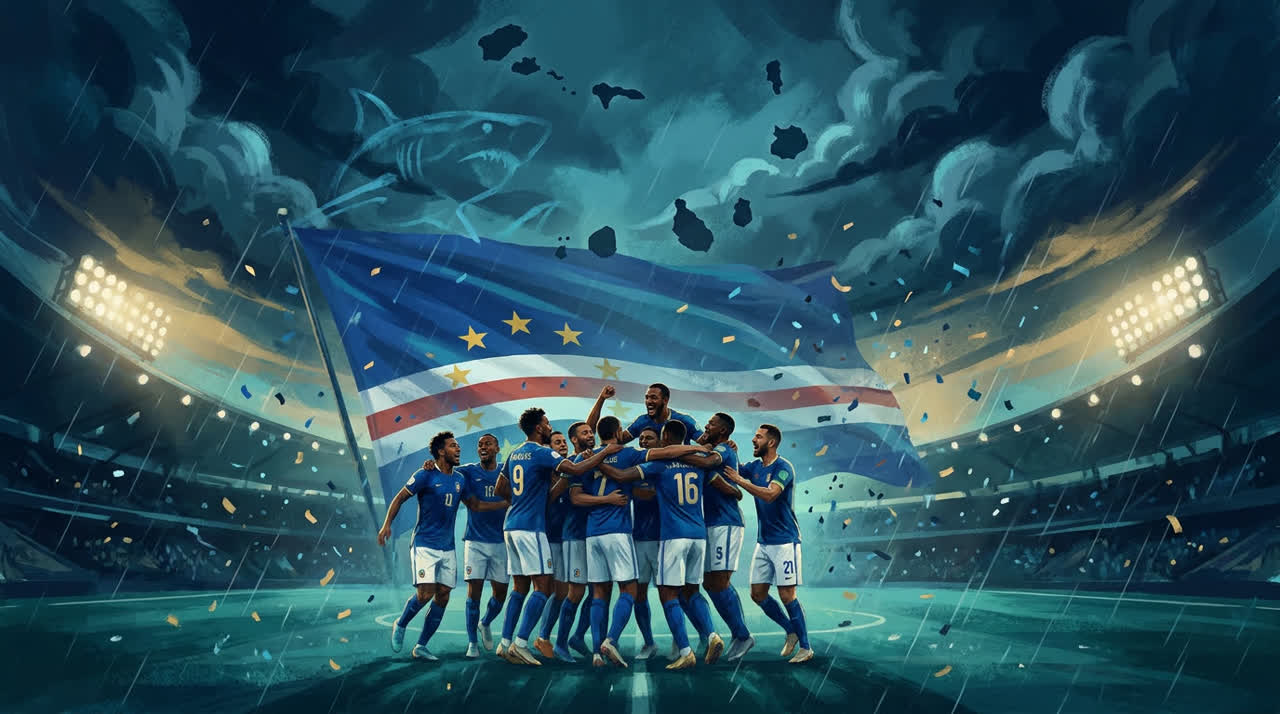
A nation of roughly 525,000 people — smaller than many European suburbs — just gave the World Cup its story of the tournament. Cape Verde arrived in North America as the smallest country ever to qualify, and left as the smallest ever to reach a knockout round.
They opened by holding Spain, the European champions, to a 0-0 draw built on ferocious organization and goalkeeping heroics. Then came a 2-2 draw with Uruguay in which the Blue Sharks twice came from behind. Two points from Spain and Uruguay took them into the new Round of 32 — and a date with Argentina.
What followed was one of the great knockout matches. Twice Argentina led; twice Cape Verde equalized, roared on by a diaspora crowd that seemed to fill half the stadium. It took extra time, and the cruelest of endings — a Diney Borges own goal — for the champions to escape 3-2.
The squad itself is the story of modern football's global bloodstream: a team assembled from the Cape Verdean diaspora, including six players born in Rotterdam, sons of migrants who chose the islands of their parents. They went home without a win in the knockout stage — and with the affection of the entire football world. The archipelago will never forget this July.
ANALYSIS · JULY 4, 2026
48 Teams, 104 Matches: Has the Expanded World Cup Actually Worked?
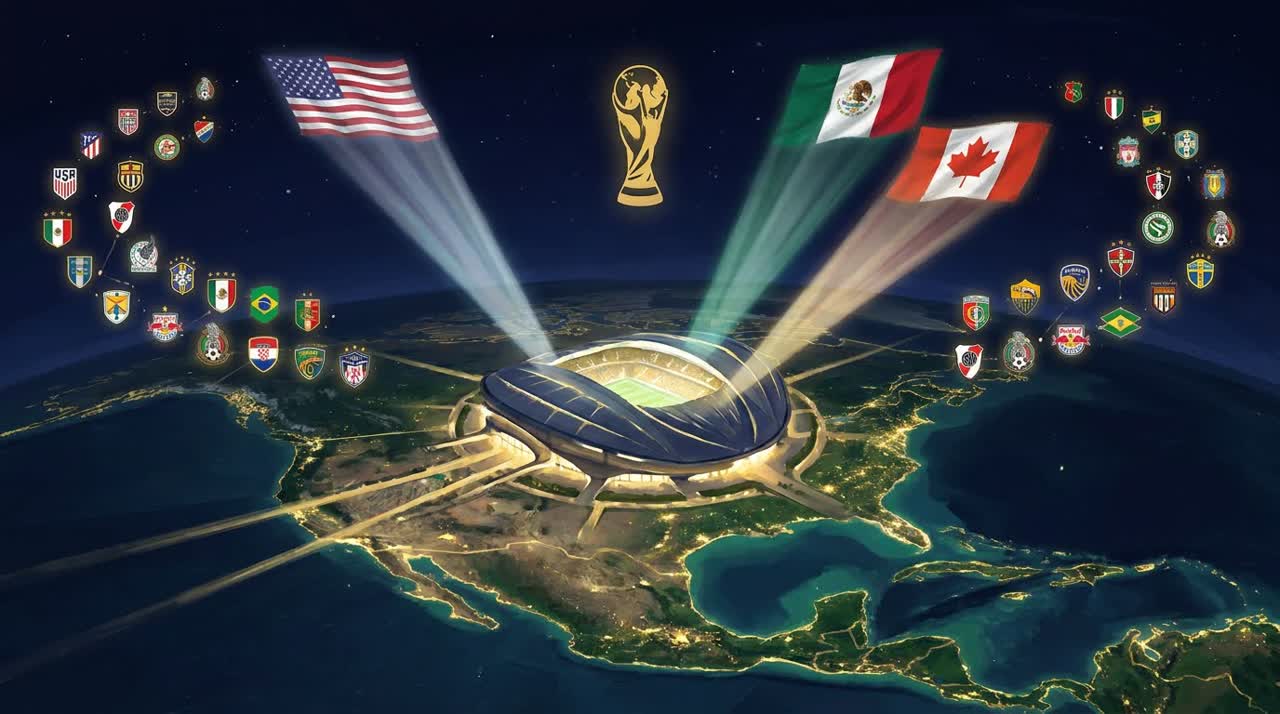
The purists feared a bloated group stage and meaningless games. The evidence so far says the opposite. The new 12-group format produced dramatic final matchdays, and the added Round of 32 gave nations like Cape Verde a knockout stage they'd never otherwise touch.
The trade-off is physical. Winning this World Cup now requires eight matches in a North American summer, and squad depth has become as decisive as star power. Teams that rotated aggressively in the groups — France and Spain chief among them — look freshest entering the second week of knockouts.
The other quiet revolution is geographic: three host nations, four time zones, and travel demands that punish poor logistics. The teams that based themselves centrally and minimized flights are visibly sharper. In 2026, the tournament is won on the training ground, the physio table, and the travel itinerary.
OPINION · JULY 4, 2026
Messi's Last Dance, Again: Why Argentina Look Mortal — and Dangerous
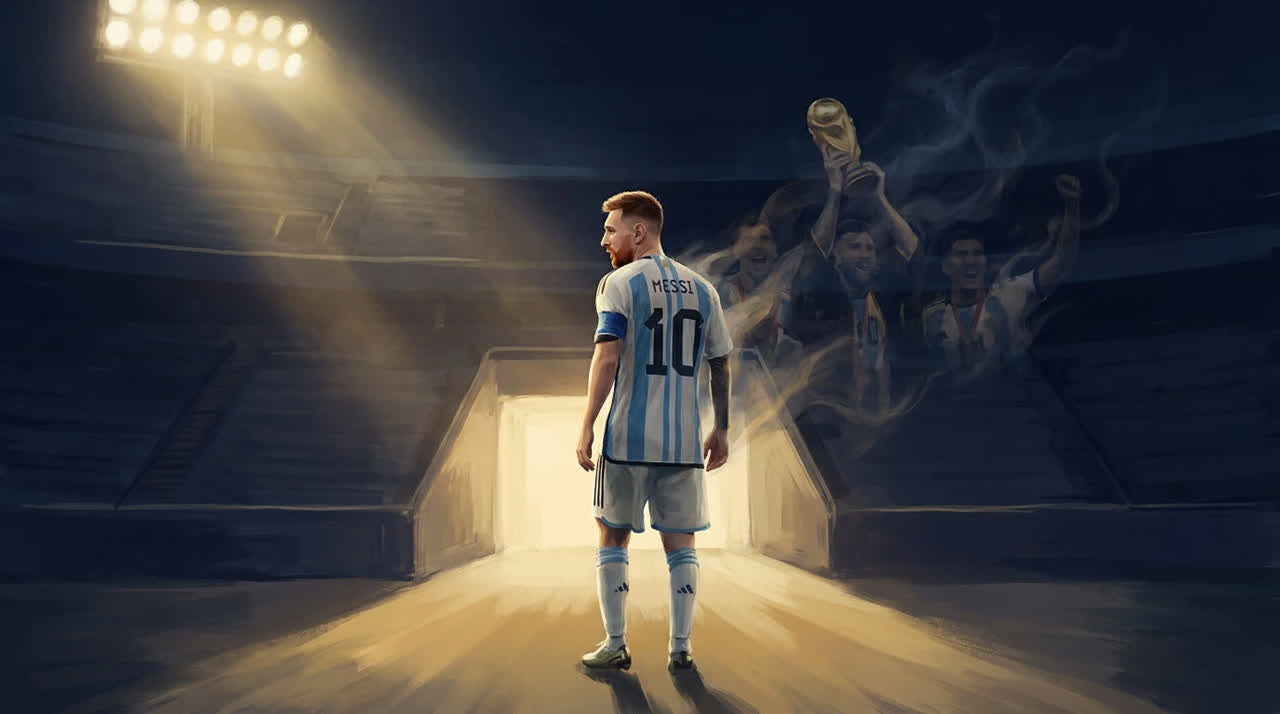
Argentina needed 120 minutes and an own goal to get past a nation of half a million people. Panic? Not quite. Champions rarely cruise; they survive. Scaloni's side has now won knockout games in every conceivable way — on penalties, in extra time, by control, by chaos.
But the Cape Verde match exposed a real shift: this Argentina defends deeper and transitions slower than the 2022 vintage. The engine is now Enzo Fernández and Mac Allister; Messi has become the tournament's most intelligent passenger — dormant for 80 minutes, decisive in five.
The question for the quarterfinals isn't whether Argentina can beat the elite. It's whether they can do it twice more in eight days with the oldest core in the bracket. History says never write them off. Physiology says someone eventually will.
TACTICS · JULY 4, 2026
The Death of the False Nine? What 2026's Group Stage Told Us About Modern Attacks
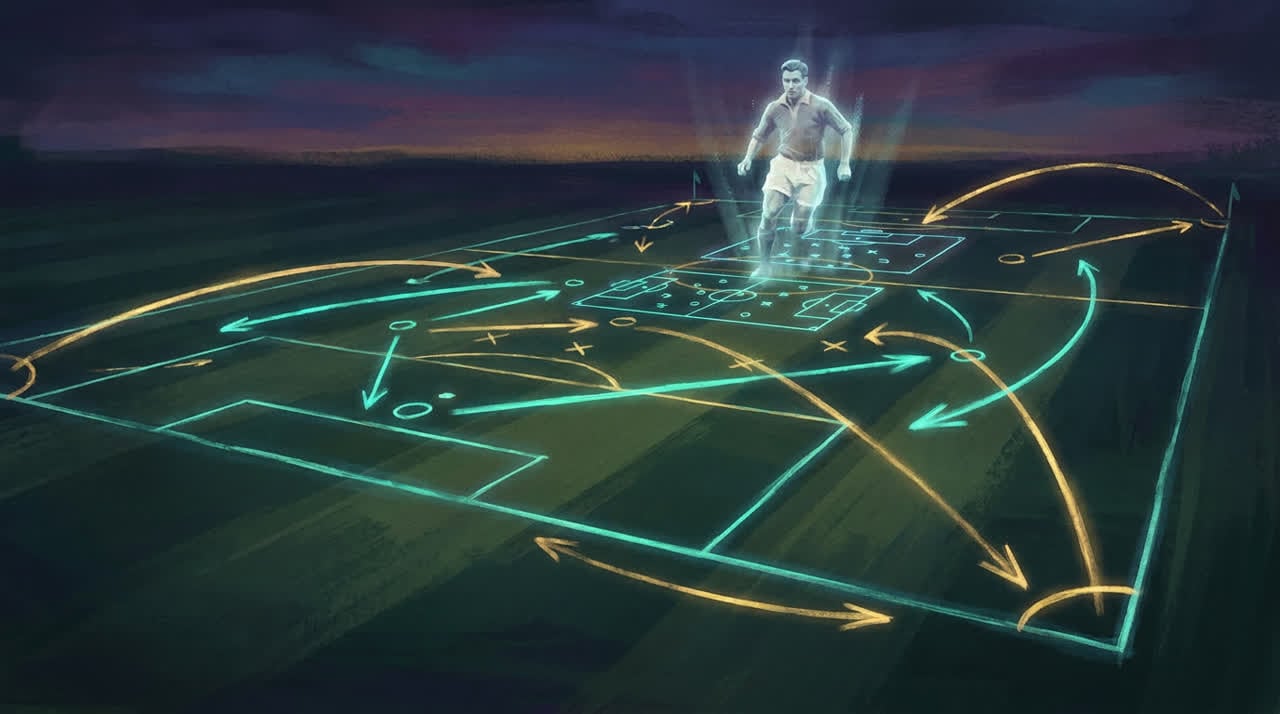
For a decade, international football chased club football's positional play. This World Cup is swinging back. The group stage was dominated by direct wingers, early crosses, and genuine No. 9s — because tournament football rewards what you can drill in three weeks, not three seasons.
Set pieces have decided a remarkable share of matches, and the smartest federations hired specialist coaches years ago. Meanwhile, the high press has become a luxury item in the summer heat: teams press in five-minute bursts, then retreat into mid-blocks. Expect the knockout rounds to be decided by dead balls, transitions, and the first substitution after the 60th minute.